
Labour Bag Checklist: Essential Hospital Bag Items for Mom & Baby
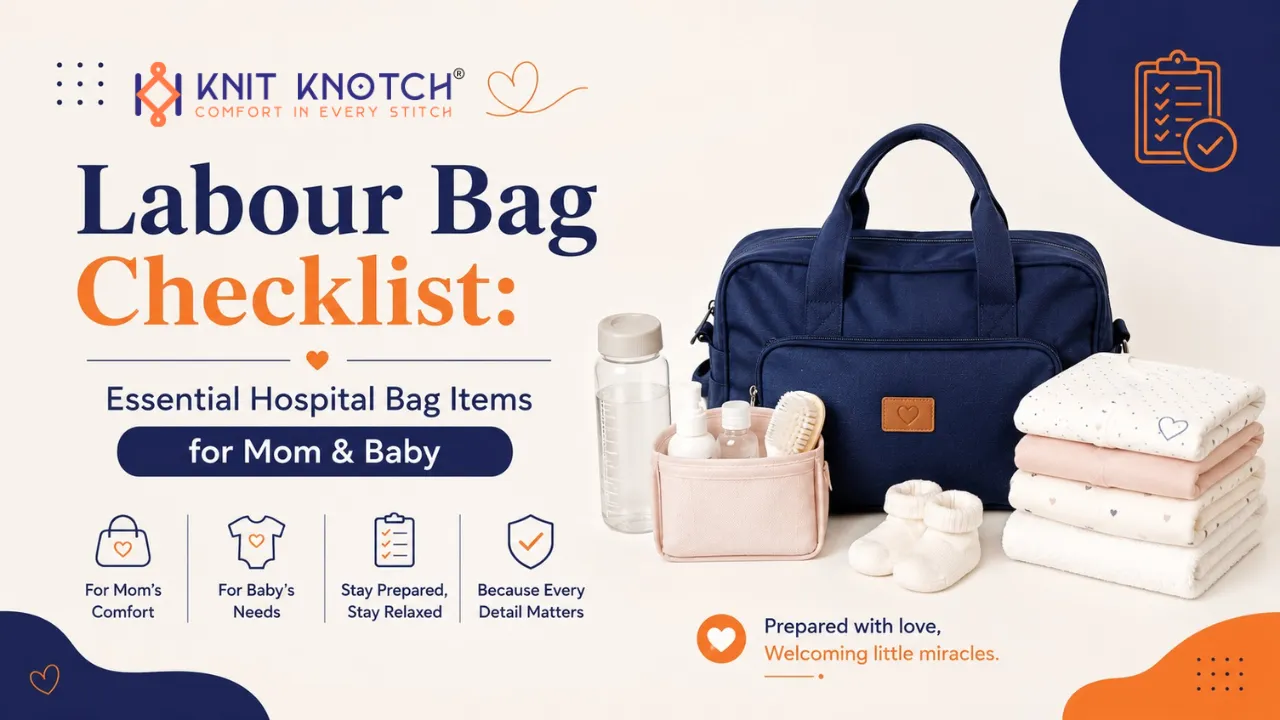
The last few weeks of pregnancy are filled with excitement, anticipation, and preparation. One of the most important tasks before your baby's arrival is packing your labour bag. Having everything ready means one less thing to worry about when labour begins. This complete checklist covers all the essentials for mom, baby, and your birth partner so you can head to the hospital feeling prepared and confident.
The Most Essential Things You Should Keep in Your Labour Bag
A simple, practical hospital bag checklist for expecting moms, newborn babies and birth partners, so delivery day feels a little more calm and prepared.
The final weeks of pregnancy are full of emotions. There is excitement, nervousness, planning, family calls and a long list of things to arrange before the baby arrives. In the middle of all this, one small task can make a big difference: keeping your labour bag ready.
A labour bag, also called a hospital bag, carries everything you may need during delivery and the first few days after birth. When it is packed early, you do not have to search for documents, baby clothes or personal items at the last minute.
"A well-packed labour bag gives you one less thing to worry about when your baby is ready to arrive."
When Should You Pack Your Labour Bag?
It is usually a good idea to keep your labour bag ready around the last month of pregnancy. Many expecting moms prefer packing it between 34 and 36 weeks, so everything is in one place before delivery day.
Before You Start Packing
- Check hospital rules: Every hospital may provide different items, so ask in advance.
- Pack light but smart: Carry useful items instead of filling the bag with extras.
- Separate baby items: Keep newborn clothes and diapers in a separate pouch.
- Keep documents handy: Place all reports and ID proofs in one folder.
1. Important Documents
Documents are among the first things hospitals usually ask for. Keep them in a waterproof folder so your partner or family member can find them easily.
Keep everything together
Carry hospital papers, doctor prescriptions, pregnancy reports, scan reports, ID proof, insurance details, blood group information and emergency contact numbers.
2. Comfortable Clothes for Mom
After delivery, comfort matters more than anything. Choose loose, soft and easy-to-wear clothing that helps you rest and move comfortably inside the hospital.
Clothing Essentials for Mom
- Loose nightgowns: Easy to wear during hospital stay.
- Nursing-friendly outfits: Helpful after delivery.
- Maternity underwear: Choose soft and comfortable options.
- Slippers and socks: Useful for walking around the hospital.
3. Toiletries and Personal Care
Small personal-care items can make you feel fresh and comfortable during your stay. Pack travel-size toiletries so they do not take too much space.
You can carry a toothbrush, toothpaste, face wash, moisturizer, lip balm, hairbrush, hair ties, towel, soap, shampoo and sanitary pads recommended for post-delivery use.
4. Newborn Clothes
Your baby will need soft and gentle clothes from the very first day. Newborn skin is delicate, so choose breathable cotton outfits that feel light and comfortable.
"Your baby's first outfit should feel as soft and safe as your first cuddle."
Baby Clothing Checklist
- Newborn outfits: Carry 3 to 5 soft cotton sets.
- Cap and mittens: Helps keep the baby warm and cozy.
- Socks: Useful for temperature comfort.
- Going-home outfit: Keep one fresh outfit ready for discharge day.
5. Baby Diapers and Wipes
Some hospitals provide newborn diapers, but carrying a small pack is always helpful. Choose gentle baby wipes or cotton cloth wipes, depending on what your doctor or hospital suggests.
Also carry a small packet for used clothes or waste, so the bag stays clean and organized.
6. Swaddle and Baby Blanket
A soft swaddle cloth or light baby blanket helps keep the newborn comfortable. Avoid very heavy blankets unless the weather or hospital environment requires extra warmth.
Choose breathable fabric
Soft cotton swaddles are usually easy to use and gentle on newborn skin. Avoid rough or heavily embellished fabrics for the first few days.
7. Feeding Essentials
Every feeding journey is different. Some moms start breastfeeding soon after delivery, while some may need guidance from hospital staff or a lactation consultant.
You may carry breast pads, a nursing cover, a water bottle and healthy snacks approved by your doctor. If your hospital has a specific feeding policy, follow their instructions.
8. Phone, Charger and Power Bank
Your phone will be useful for calls, updates, hospital coordination and capturing the first memories. Keep your charger and power bank in the bag so you do not forget them in a rush.
9. Items for Your Birth Partner
Your partner or family member may also spend long hours at the hospital. Packing a small pouch for them can be very helpful.
Partner Essentials
- Phone charger: Important for calls and hospital updates.
- Change of clothes: Useful for longer stays.
- Snacks and water: Helps during waiting hours.
- Wallet and documents: Keep payment and ID details ready.
10. What Not to Pack
A labour bag should be useful, not overloaded. Carrying too many unnecessary items can make the bag difficult to manage.
Pack
- Documents
- Comfortable clothes
- Baby essentials
- Basic toiletries
Avoid
- Heavy jewellery
- Too many outfits
- Large cash amount
- Unnecessary electronics
Final Labour Bag Checklist
Before closing your bag, quickly check the three main sections: mom, baby and partner. This simple division makes it easier to find things when needed.
Quick Checklist
- For mom: Documents, clothes, toiletries, slippers, socks, towel and post-delivery pads.
- For baby: Cotton clothes, diapers, wipes, cap, mittens, socks, swaddle and blanket.
- For partner: Charger, wallet, snacks, water bottle, change of clothes and contact numbers.
- For comfort: Lip balm, hair ties, light shawl, phone charger and power bank.