The Ultimate Guide to Chemical-Free & Organic Kids Wear
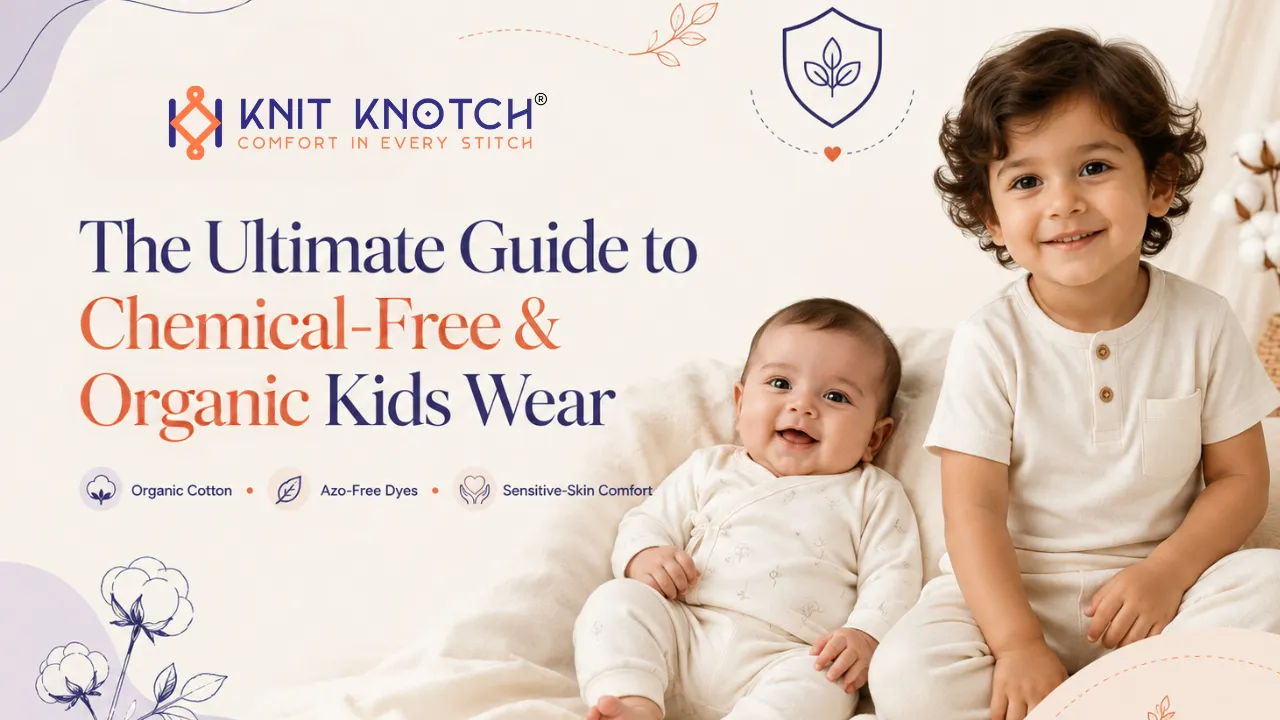
A child's wardrobe sits against the skin for hours every day. That is why fabric choice matters more than most parents first realise. For infants and toddlers, the right clothing is not only about style. It is also about breathability, comfort, ease of movement, and choosing materials and finishes that are kinder to delicate skin.
The Ultimate Guide to Chemical-Free & Organic Kids Wear
When you're shopping for babies and toddlers, softness alone is not enough. Parents today want clothes that feel gentle, wash well, and are made with skin safety in mind. This guide explains what organic, chemical-conscious and sensitive-skin-friendly kidswear really means.
If you have ever searched for organic cotton baby clothes, chemical free kids wear or the best fabric for baby sensitive skin, you are not alone. Parents increasingly want safer, simpler wardrobes inspired by trusted child-focused brands and a growing awareness of fabric safety. The good news is that you do not need a degree in textiles to shop well. You just need to know what to look for and which claims actually matter.
01 Why fabric matters so much for babies and toddlers
Baby and toddler skin is delicate, and younger children spend long hours in direct contact with clothes during sleep, play, travel and feeding. Rough seams, heat-trapping fabrics, harsh finishes or low-quality prints can make already sensitive skin feel even more uncomfortable. This is why soft, breathable and well-made clothing tends to be the safest everyday starting point.
Choosing better fabrics also helps with daily comfort. Breathable clothes are easier to wear in warm weather, lighter on the skin during naps and often more practical through repeated washing. For many parents, that makes hypoallergenic newborn clothing and organic fabrics especially appealing.
02 What does organic cotton baby clothes actually mean?
Organic cotton baby clothes are made from cotton grown under standards that generally limit the use of certain synthetic pesticides and focus on more environmentally conscious farming practices. For parents, the appeal is not just the farming story. It is also the softer hand-feel and the idea of a simpler, more skin-friendly clothing choice for everyday wear.
Organic cotton does not automatically make every garment perfect, but it is a strong starting point. When paired with careful dyeing, gentle finishing and good construction, it can become an excellent everyday option for infants and toddlers.
Why parents often prefer organic cotton
- Soft and breathable for all-day comfort.
- Light on delicate skin, especially during heat and humidity.
- Comfortable for layering in changing weather.
- Easy to wash and rewear for busy family routines.
- Often chosen as part of a more sustainable kids wardrobe.
03 Understanding chemical free kids wear
The phrase chemical free kids wear can sound absolute, but in clothing it is usually better understood as chemical-conscious or safer-choice clothing. Almost every textile goes through some form of processing. What parents should really look for is clothing that uses child-appropriate fabrics, safer dye choices, low-residue finishes and quality production practices.
Instead of chasing vague marketing promises, focus on specifics. What fabric is it made from? Does the brand mention gentle or azo-free dyes? Are the prints soft and flexible? Does the garment feel breathable, simple and comfortable against the skin? Clear answers matter more than buzzwords.
04 Why azo free dye clothes for babies are worth noticing
One of the most useful phrases parents can learn is azo free dye clothes for babies. In simple terms, azo-free dyes avoid a category of dyes that is often flagged in discussions around textile safety. For baby and toddler clothing, many parents prefer brands that mention azo-free dyes because it shows attention to skin contact and product safety.
If a brand clearly mentions soft fabrics, child-safe printing, and azo-free dye choices, that is a meaningful sign that the garment was designed with everyday skin comfort in mind. It does not replace common sense, but it is a useful filter while shopping.
05 The best fabric for baby sensitive skin
If your child experiences dryness, heat rash or irritation, the best fabric for baby sensitive skin is usually a soft, breathable natural fibre, with organic cotton high on the list. Look for fabric that feels smooth, flexible and light rather than stiff, plasticky or overly coated.
Fabric quality is only part of the story. Construction also matters. Flat seams, tag-free or minimally irritating labels, soft waistbands and comfortable neck openings can make a real difference in day-to-day wear.
What to prioritise
Breathability: Helps reduce trapped heat and sweat.
Softness: Makes repeated contact gentler on the skin.
Simple construction: Fewer scratchy extras and bulky trims.
Washability: Easy-care garments are more likely to stay clean and fresh.
06 Are hypoallergenic newborn clothing options necessary?
Not every baby needs special clothing, but hypoallergenic newborn clothing can be helpful when a baby's skin is especially reactive or when parents simply want the gentlest possible wardrobe for the first months. The term generally suggests soft fabrics and design choices intended to reduce the chance of irritation.
For newborns, simplicity is best. Soft cotton bodysuits, easy pull-on sets, light layers and comfortable sleepwear often do the job beautifully. Avoid very heavy embellishments, rough embroidery on the inside, or anything that feels rigid against the skin.
"For babies and toddlers, the safest wardrobe is often the simplest one: soft cotton, breathable fabric, flexible fits and gentle finishes that let the skin stay calm."
07 How to read labels like a smart parent
Clothing labels can feel confusing, but they become useful once you know what to scan for. Start with the fibre content. Look for a high percentage of cotton, and note whether the brand mentions organic cotton. Then check care instructions, because overly delicate or awkward garments are often less practical for baby life.
| What to check | Why it matters | Parent-friendly cue |
|---|---|---|
| Fabric composition | Shows the main material touching the skin | Prefer soft cotton or organic cotton for everyday wear |
| Dye or print notes | Indicates safety-conscious processing | Look for azo-free or child-safe print mentions |
| Seams & trims | Affects comfort during long wear | Choose softer, smoother finishes |
| Care instructions | Clothes need frequent washing | Machine-washable, easy-care pieces are ideal |
| Fit & stretch | Helps movement and prevents friction | Pick relaxed, comfortable cuts with soft waistbands |
08 What to avoid in a sensitive-skin wardrobe
Parents shopping for safer kidswear should be cautious with garments that feel heavily coated, very rough, highly perfumed after purchase, or packed with stiff decorative elements. These do not always cause problems, but they are less ideal as core daily wardrobe pieces for babies.
Be more selective with:
- Scratchy synthetics that trap heat.
- Thick inner seams or rough labels touching the neck or waist.
- Heavy glitter, rubbery prints or stiff appliqués on basic everyday wear.
- Very tight elastic around the tummy, thighs or wrists.
- Clothes with a strong chemical smell straight out of the package.
09 Why fit is part of skin safety too
Even the best fabric can feel uncomfortable if the fit is wrong. Clothes that are too tight may rub, trap heat and make movement awkward, while very loose pieces may bunch up and irritate during sleep or crawling. A well-balanced fit feels light, relaxed and natural.
This is especially important for toddlers who run, jump, climb and nap in the same outfit. Soft co-ord sets and simple everyday separates are popular because they balance comfort with easy styling. You can browse age-friendly everyday options for boys, girls and toddlers when building a practical, repeat-wear wardrobe.
10 How to build a sustainable & sensitive-skin wardrobe
A better wardrobe does not mean buying more. In fact, the smartest route is often a smaller wardrobe made up of versatile, breathable, easy-to-wash pieces that children genuinely enjoy wearing. This is where sustainability and skin comfort meet.
Start with a capsule of soft tees, comfortable lowers, light co-ord sets and sleep-friendly basics. Choose pieces that mix easily, survive frequent washing and stay comfortable across seasons. That reduces waste, simplifies dressing and keeps the wardrobe child-friendly.
Wash new baby clothes before use. This simple habit helps freshen the fabric, removes packaging dust and prepares the garment for direct skin contact. Use a gentle detergent and rinse well, especially for babies with extra-sensitive skin.
11 Are expensive clothes always safer?
Not necessarily. Price alone does not guarantee better fabric or safer processing. Some premium garments are excellent, but many affordable products can also be soft, breathable and practical. Focus on evidence you can see and feel: fabric content, softness, construction, ease of care and clear brand communication.
In other words, a thoughtful wardrobe is not about luxury. It is about choosing pieces that suit the child and support everyday comfort. If an outfit feels soft, breathable and wearable, it often delivers more value than a fancy garment that looks good but feels uncomfortable.
12 The parent checklist before you buy
When you are comparing options, a quick mental checklist keeps the decision simple:
Quick buying checklist
- Is the fabric mostly cotton or organic cotton?
- Does it feel soft, flexible and breathable?
- Are the seams, labels and trims gentle?
- Does the brand mention azo-free or safer dye choices?
- Is the fit comfortable for sleep, play and movement?
- Will it be easy to wash and rewear often?
These questions make shopping easier whether you are buying newborn essentials, toddler playwear or a more complete seasonal wardrobe. The goal is not perfection. It is simply making safer, smarter and more comfortable choices more often.
This article provides general shopping and parenting information only and does not replace medical advice. KnitKnotch is a children's clothing brand, not a medical provider. If your baby has eczema, persistent rashes, allergies or severe skin sensitivity, please consult a qualified paediatrician or dermatologist for personalised guidance.
Frequently asked questions
Build a softer everyday wardrobe
KnitKnotch creates breathable cotton outfits for babies and toddlers that are easy to wear, easy to wash and designed for everyday comfort. If you are building a more thoughtful wardrobe, start with soft essentials your little one will actually love living in.
Shop Soft Everyday Kidswear