
What Type of Clothes Should We Purchase for a Newborn? A Complete Guide for New Parents
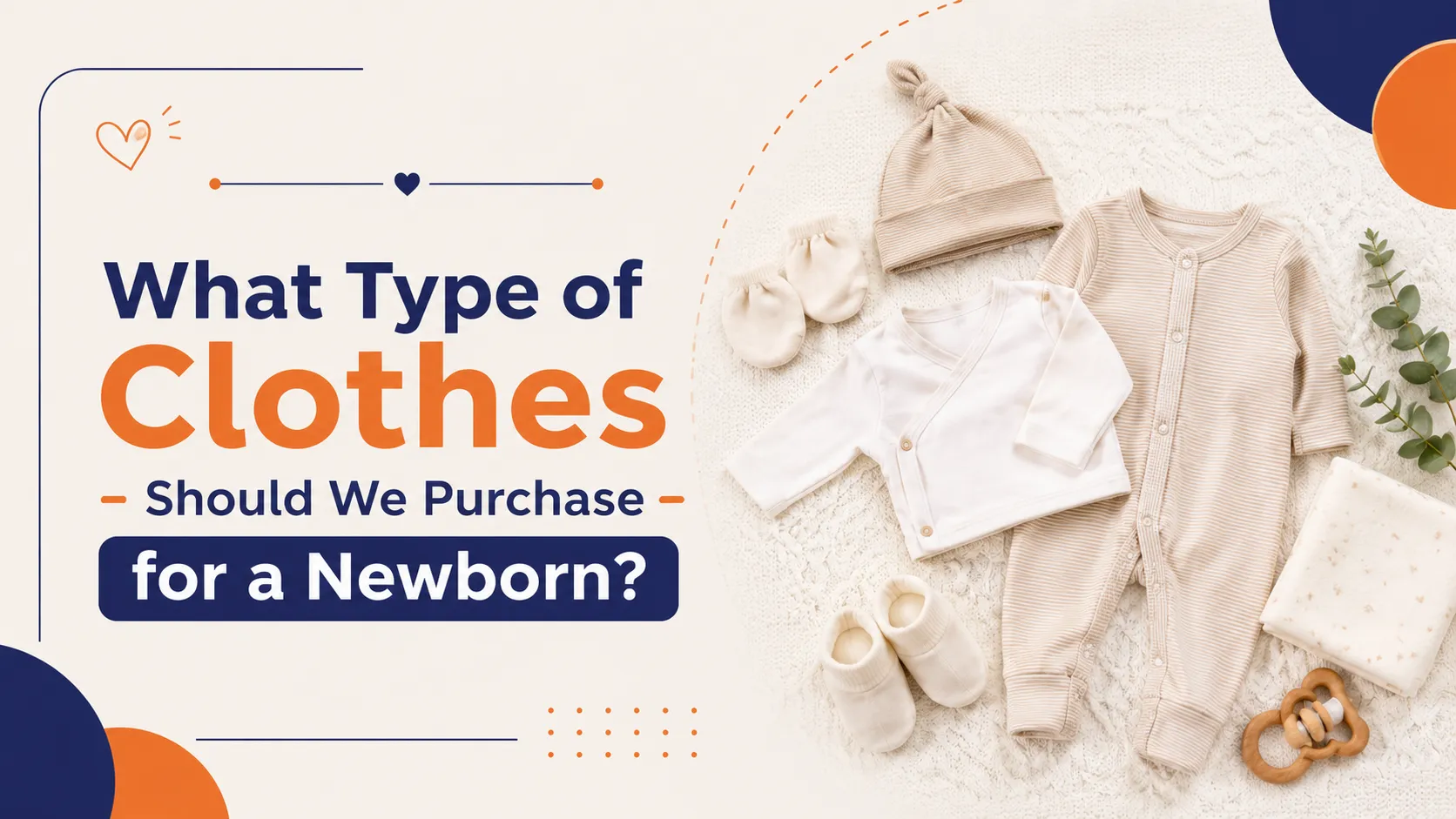
Bringing a newborn home is an exciting experience, and one of the first questions every parent asks is: "What clothes does my baby really need?" With so many adorable outfits available, it's easy to buy more than necessary. However, newborns need comfort, softness, and practicality far more than fashionable designs.
What Type of Clothes Should We Purchase for a Newborn?
A practical guide to choosing soft cotton baby clothes, front-open outfits, seasonal layers and everyday newborn essentials without overbuying.
Comfort Comes First
Newborns need soft, breathable and easy-to-wear clothes far more than decorative outfits. Start with simple essentials that make feeding, sleeping and diaper changes easier.
Shopping for a newborn is exciting, but it is easy to buy more than the baby actually needs. Tiny dresses, printed sets and occasion wear may look attractive, yet newborns spend most of their time sleeping, feeding and being changed.
The most useful newborn clothes are soft, breathable, easy to wash and simple to put on. A small wardrobe of carefully chosen essentials is usually more practical than a large collection of complicated outfits.
"For newborns, comfort and easy care matter more than fashion."
1. Choose Soft Cotton Baby Clothes
Soft cotton is one of the most practical fabrics for everyday newborn clothing. It feels gentle against delicate skin, allows airflow and works well in Indian weather.
Why Cotton Works Well
- Softness: Comfortable against delicate newborn skin.
- Breathability: Helps reduce discomfort in warm weather.
- Easy maintenance: Suitable for frequent washing.
- Versatility: Useful for bodysuits, tops, sleepsuits and soft bottoms.
2. Prefer Front-Open and Wrap-Style Clothes
During the first few months, babies cannot support their heads. Front-open jhablas, wrap tops and front-button bodysuits make dressing easier because parents do not need to pull the garment over the baby's head.
Look for simple openings
Front buttons, side ties and easy snaps can make dressing and diaper changes quicker.
3. Build a Practical Newborn Clothing Checklist
The exact number of clothes depends on your laundry routine, climate and how often your baby needs an outfit change.
| Clothing Item | Suggested Quantity | Why It Is Useful |
|---|---|---|
| Bodysuits | 6–8 | Useful for everyday wear and easy layering. |
| Front-open jhablas | 5–7 | Easy to dress without pulling over the head. |
| Sleepsuits | 4–6 | Comfortable for bedtime and cooler rooms. |
| Soft pants | 4–6 | Easy to pair with cotton tops. |
| Mittens | 2–3 pairs | Useful when needed, provided they fit securely. |
| Socks | 4–6 pairs | Helpful in cooler weather or air-conditioned rooms. |
| Caps | 2–3 | Useful outdoors or in cooler weather. |
| Swaddles | 3–5 | Practical for wrapping and carrying. |
| Bibs | 6–8 | Useful during feeds and spit-ups. |
4. Do Not Buy Too Much in Newborn Size
Babies grow quickly, and some newborn-size clothes may fit only for a short time. Buy a few pieces in the smallest size and keep more outfits in the next size ready.
Use measurements, not age alone
Check the brand's size chart and compare the baby's height, weight and garment measurements before ordering.
5. Dress According to the Season
Summer
Choose lightweight cotton bodysuits, half-sleeve tops and loose, breathable clothing. Avoid unnecessary layers.
Monsoon
Keep extra clothes ready because dampness and frequent changes are common. Make sure every garment is fully dry before use.
Winter
Layer soft cotton innerwear with a sweater, jacket or warm sleepsuit according to the temperature. Layering makes it easier to add or remove warmth.
Choose
- Soft cotton layers
- Easy-to-remove clothing
- Weather-appropriate outfits
- Comfortable loose fits
Avoid
- Heavy daily outfits
- Over-layering
- Damp clothes
- Rough inner seams
6. Look for Easy Diaper Access
Newborns need frequent diaper changes, so outfits should open easily. Snap-button bodysuits, front-open tops and soft stretchable bottoms are useful choices.
7. Avoid Tight Elastic and Rough Details
Check waistbands, cuffs, neck openings and seams before buying. Clothes should not leave marks or feel tight around the arms, legs or waist.
Comfort Check Before Buying
- Seams: Smooth and neatly finished.
- Elastic: Soft and flexible.
- Buttons: Securely attached.
- Labels: Soft or positioned away from sensitive skin.
8. Keep Occasion Wear Limited
A few dressier outfits are enough for family events or photographs. For daily use, simple cotton bodysuits, jhablas, sleepsuits and soft sets are usually more useful.
9. Wash New Clothes Before First Use
Wash new baby clothes before dressing your newborn. Use a mild detergent and dry the garments completely. Avoid strong fragrances if your baby's skin is sensitive.
"A small wardrobe of soft, practical clothes will serve your newborn better than many decorative outfits."
Common Newborn Shopping Mistakes
Better approach
- Buy practical quantities
- Prioritize fabric quality
- Choose easy openings
- Buy gradually
Common mistake
- Buying only by appearance
- Overbuying one size
- Ignoring wash care
- Choosing complicated outfits
Frequently Asked Questions
Final Thoughts
The best newborn clothes are soft, breathable and easy to use. Cotton bodysuits, front-open tops, sleepsuits, soft bottoms and a few seasonal layers are enough to build a practical first wardrobe.
Choose quality over quantity, avoid overbuying newborn sizes and make comfort the main priority during every shopping decision.